Machaela Erdeljac
Spring Mix with the PBT Orchestra Casting Announced
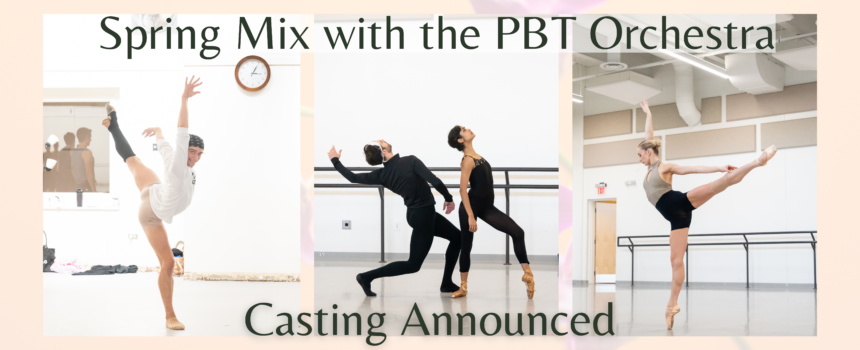
Pittsburgh Ballet Theatre has announced casting for its upcoming performances of Spring Mix with the PBT Orchestra. Four incredible works – including two world premieres – will take center stage at the Benedum Center April 5-7 in Pittsburgh Ballet Theatre’s Spring Mix with the PBT Orchestra. The mixed repertory program features classical and contemporary pieces – including fresh new works and dazzling classics – accompanied by live music from the PBT Orchestra. The program includes two world premieres, When Time Stands Still by award-winning Pittsburgh-based choreographer Jae Man Joo, and Violin Pas de Deux by PBT Principal Artist and Choreographer-in-Residence Yoshiaki Nakano, the return of the dynamic Petal by Helen Pickett and the elegant, extraordinary Allegro Brillante from George Balanchine, known by many as the “father of 20th-century American ballet.”
View Casting by act below
*Please note that casting is subject to change.
Celebrate Black History Month with Emry Amoky
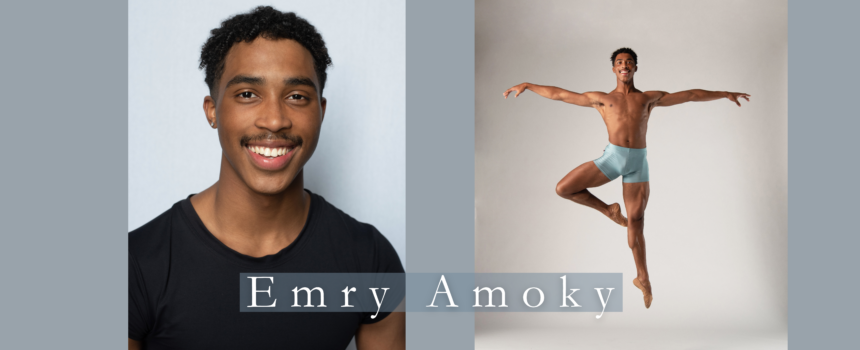
In honor of Black History Month, we are excited to present deeper insight into a few of Pittsburgh Ballet Theatre’s artists. Today we’re focusing on PBT Apprentice Emry Amoky. We hope you enjoy learning more about him as both a person and a dancer.
 Hometown
Houston, TX
Training
Houston Ballet School
Houston Ballet Company ll
PBT
Joined PBT as an Apprentice in 2023
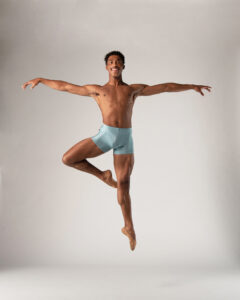
What was the first ballet you ever performed onstage?
The Nutcracker. I was a Party Boy and was super excited. I remember thinking that it was easier to dance on a big stage than a small one.
What is your favorite ballet?
Romeo and Juliet
What has your favorite role been?
I loved performing in Stanton Welch’s Clear because of the physicality and intensity. The costumes were amazing too.
Has there been a defining moment in your career?
Joining PBT as an Apprentice. I’ve never experienced anything outside of Houston. PBT is the best place for growth for me.
I love Pittsburgh because…
The people are welcoming and it’s very active. There is always something fun to do in the city.
What do you like to do in your spare time?
I like to workout, have in-depth conversations with my friends and eat! Primanti Bros. is my favorite restaurant in Pittsburgh. I love their sandwiches!
What was the last song you had stuck in your head?
“Headlines” by Drake
What makes you laugh?
Epic fails, Tik Tok
What are the last 3 things you do before you go to sleep?
– Look through my Instagram and Tik Tok
– Watch self-reflection videos
– Eat a bowl of cereal
Photography: Anita Buzzy Prentiss
Celebrate Black History Month with Corey Bourbonniere
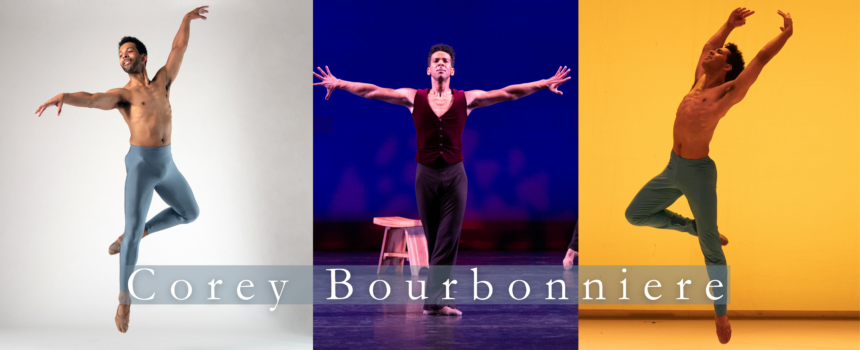
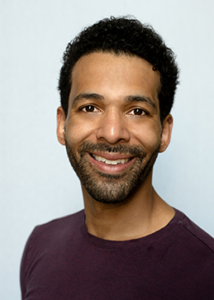
In honor of Black History Month, we are excited to present deeper insight into a few of Pittsburgh Ballet Theatre’s artists. Today we’re focusing on PBT Soloist Corey Bourbonniere. We hope you enjoy learning more about them as both a person and a dancer.
 Hometown
Born in North Providence, RI
Grew up in Woonsocket, RI
Training
Krylo Dance Studio
Brae Crest School of Ballet
Heritage Ballet School
Pittsburgh Ballet Theatre Graduate Program
PBT
Joined PBT as an Apprentice in 2012
Promoted to Corps de Ballet in 2013
Promoted to Soloist in 2019
 What is your favorite ballet?
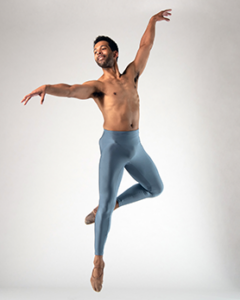
Giselle because it has a lot of firsts for me. It was my first ballet. It was also the first ballet I performed with the PBT company, and I also debuted as “Hilarion” as my first Soloist role. In the Upper Room is my favorite contemporary ballet that I have performed.
Has there been a defining moment in your career?
Dancing in Divertimento No. 15. It was my first time dancing a principal role, and it was in a Balanchine ballet.
I love Pittsburgh because…
It feels very homey. I love the neighborhood feel, the small businesses and the local bars. It feels like home.
What makes you laugh?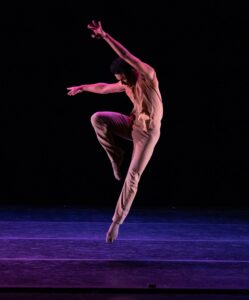
My cats, a really stupid comedy like Nacho Libre, dad humor.
If I weren’t a ballet dancer, I would be…
I’d probably still dance but in the theater. That or I’d do some sort of advocacy work in the arts or social justice.
What do you like to do in your spare time?
I make kombucha, play with my cats, love to play board games and listen to records. My most recent favorite record is Donna Summer’ “I Remember Yesterday.”
What’s your proudest moment?
Playing Bernardo in West Side Story at The Glimmerglass Festival. It was my first professional acting job and it was outside of my comfort zone, but so fun!
Photography: Anita Buzzy Prentiss and Rosalie O’Connor
Beauty and the Beast Casting Announced
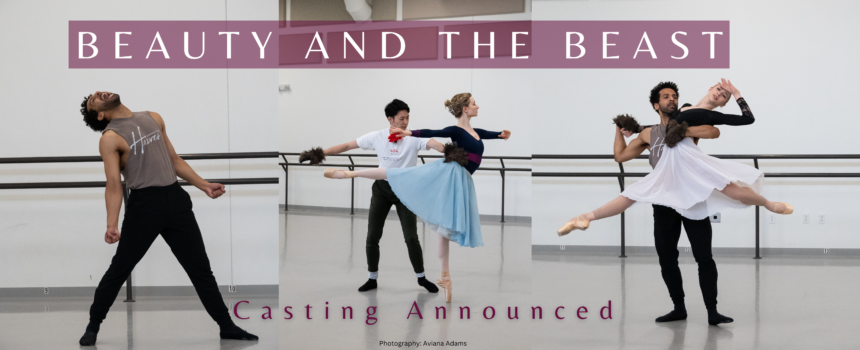
Pittsburgh Ballet Theatre has announced casting for its upcoming performances of Beauty and the Beast. The production will include 10 performances at the Benedum Center during February 16-18 and February 23-25. PBT’s Beauty and the Beast will also include a student matinee on February 23 at 11:00 a.m. and a sensory-friendly performance on February 25 at 4:30 p.m. More information and tickets can be found here.
Please note that the casting is subject to change.
Feb. 16, 7:30 p.m. | Feb. 18, 2:00 p.m. | Feb. 24, 7:30 p.m.
Feb. 17, 2:00 p.m. | Feb. 23, 7:30 p.m. | Feb. 25, 4:30 p.m. (sensory-friendly performance)
Feb. 17, 7:30 p.m. | Feb. 24, 2:00 p.m.
Feb. 23, 11:00 a.m. (Student Matinee), Feb. 25, 12:00 p.m.
Artists: Corey Bourbonniere, Yoshiaki Nakano, Diana Yohe, Tommie Lin O’Hanlon | Photos: Aviana Adams
Celebrating Black History Month with Matthew Griffin
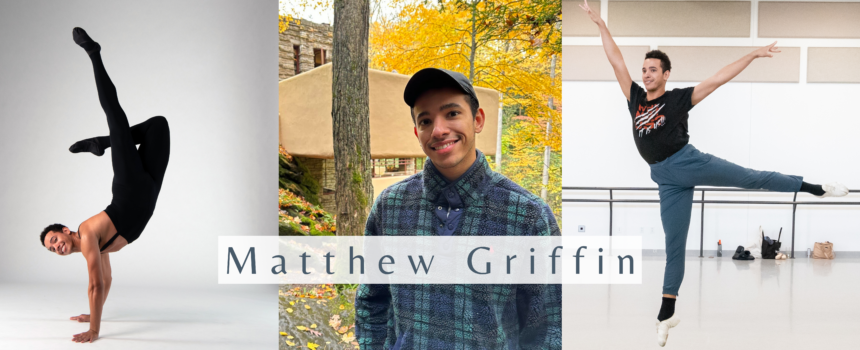
In honor of Black History Month, we are excited to present some deeper insight into a few of Pittsburgh Ballet Theatre’s artists. Today we’re focusing on Corps de Ballet artist Matthew Griffin. We hope you enjoy learning more about him as both a person and a dancer.
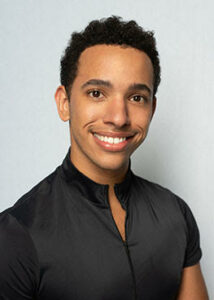
Matthew Griffin
Hometown
Born in Minneapolis, MN
Grew up in Ellenton, FL
Training
International Ballet of Florida
Butler University
PBT
Joined PBT’s Corps de Ballet in 2023
Other Professional Companies
Cincinnati Ballet
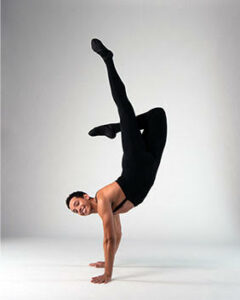
Q&A
What has your favorite role been? Why?
My favorite roles have been the Pas de Deux in Alejandro Cerrudo’s Extremely Close and William Forsythe’s In the Middle, Somewhat Elevated.
What was a defining moment in your career?
I was very fortunate to have Helen Pickett create the solo Balance for me for a virtual performance during the pandemic.
Do you have a favorite vacation spot?
I enjoy visiting where I grew up, Manatee County, FL (especially during winter months)
If you could meet anyone in the world, who would you meet?
I would want to meet fourteen-time Emmy winner, RuPaul!
If I weren’t a ballet dancer, I would be…
It has always been my post-ballet dream to take my dance knowledge and apply it to a career in physical therapy. If I wasn’t dancing, I would definitely still be a dance fan!

What was the moment you knew you wanted to pursue a professional career in ballet?
I was always a big fan of the arts. I grew up seeing shows, listening to live music, and going to museums. My sister and
I had started taking dance classes for enrichment and for fun when my family went to see the Joffrey Ballet perform a contemporary program. That was the moment I knew that I wanted to be on stage dancing and wanted to work hard to become a professional dancer.
Who is your inspiration – in dance and in life?
I find inspiration everywhere! I’m very inspired by the work of my peers in the studio and onstage. I am constantly blown away by the triumphs and artistry of my fellow dancers. I also am very inspired by culture. Movies, songs, books, musicals, exhibits, political debates and conversation all inspire me and inform my artistry and humanity.
Celebrate World Tutu Day with PBT
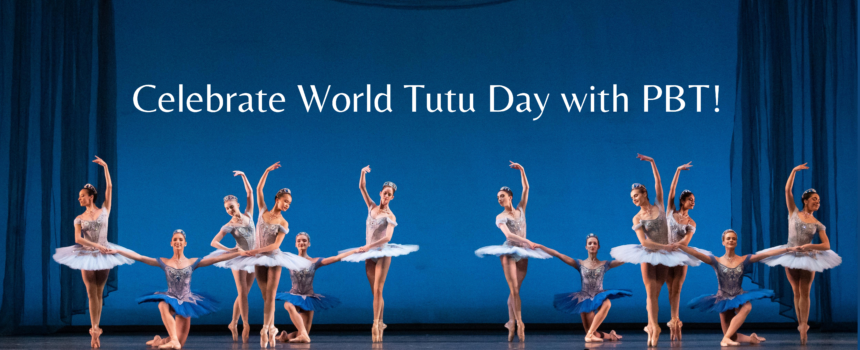
When you picture a Ballerina in your head, is she wearing a tutu?
The tutu has become a classic staple in Ballet costuming. Each ballet has its own style, resulting in an array of tutu looks. Join us as we look back on some of the stunning tutus our resident costumers have designed.
You may be familiar with the tutu look, but did you know there are multiple types of tutu?
Tutus can be grouped into two categories: Romantic and Classical.
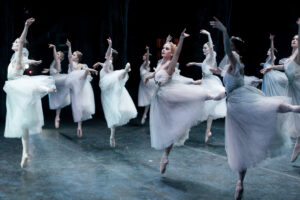
Romantic Tutu
The romantic was the original tutu, making its first appearance in 1832 at the Paris Opera. Worn by Marie Taglioni in La Sylphide, the length of the skirt showcased her on-pointe footwork and the delicate fabric accentuated her elegant movement.
These tutus have 3-5 long gathered layers of tulle, coming down to anywhere between the knee and the ribbon line (ankle). Sometimes shorter romantic tutus are called Degas tutus, referring to Degas’ many paintings of ballerinas and “Little Dancer Aged Fourteen” sculpture in the late 1800s.
Classical Tutu
The classical tutu is likely what first comes to mind when picturing a ballerina. Becoming popular in the late 1800s, classical tutus are shorter and stiffer than romantic tutus. With layers of pleated tulle and some net for rigidity, the shape of the classical tutu is ideal to show off the elegant leg movements of a ballet dancer.
There are four styles of the Classical Tutu: the Pancake, the Platter, the Bell, and the Powder Puff/American/Balanchine.
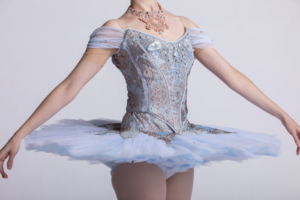
Pancake Tutu– The pancake style is quite stiff and sits at hip level, often with a steel hoop woven through the tulle to help maintain shape.
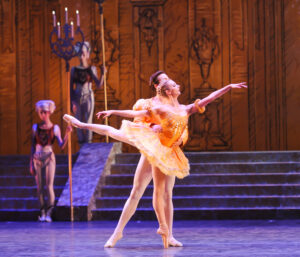
Platter Tutu– The platter is similar to a pancake but often has a decorative overskirt. The platter sits closer to waist level and also often has a hoop.
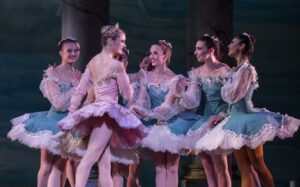
Bell Tutu– The bell style is short and curved down like a bell. To achieve that shape, costumers use pleated tulle tacked in a more relaxed form with no hoop.
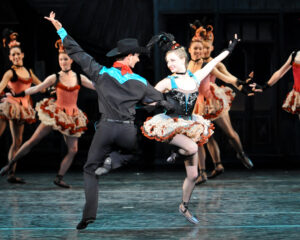
Powder Puff/American/Balanchine Tutu– With many names, this style has softer layers of pleated tulle loosely tacked together for more fullness. With a soft, full, relaxed form, this style doesn’t use a hoop.
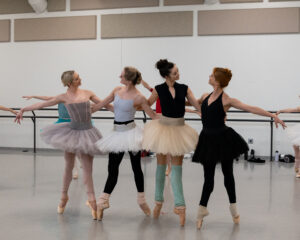
Rehearsal Tutu– Made of layered, pleated tulle, these tutus are made without adornment just for rehearsals. Studios often use pancake rehearsal tutus.
Photography: Rosalie O’Connor, Rich Sofranko, Aviana Adams, Michael Henninger, Duane Rieder
Celebrating Black History Month with Adam W. McKinney
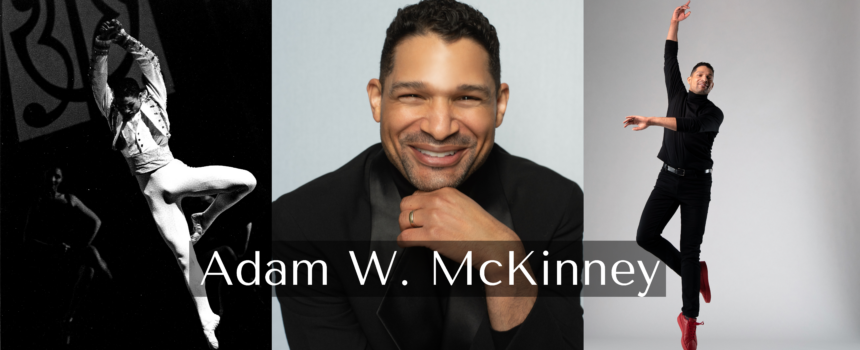
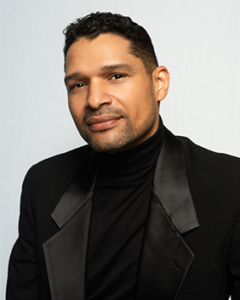
In honor of Black History Month, we are excited to present some deeper insight into our artistic director, Adam W. McKinney. We hope you enjoy learning more about him, his accomplishments and a bit more about him as a person, an artist and a leader.
About Adam W. McKinney
Adam W. McKinney began his role as Pittsburgh Ballet Theatre’s artistic director in March 2023. He brought with him a diverse and accomplished background in arts leadership across the globe, having served as an arts organization director, tenured professor, choreographer, dancer, educator and activist.
Adam loves his new home city of Pittsburgh and is excited to build on PBT’s long history of excellence here by making ballet accessible to all people, bringing in new works and choreographers, presenting family-friendly productions and working in and with local communities to ensure that they know that they belong in ballet and at PBT.
He is eager to continue to build a culture that focuses on inclusivity and opportunity and reflects the diversity of the Pittsburgh region. Adam is working to create more opportunities for the Pittsburgh community to engage with PBT, including education programs in schools, furnishing accessibility programming and providing health & wellness classes for members of the Pittsburgh area.
What is your favorite ballet?
Oh, my. There are so many! Balanchine’s Allegro Brillante is top of mind. I danced Allegro at Milwaukee Ballet. Mr. Balanchine said about the work that it is “everything I know about classical ballet in thirteen minutes.” I look forward to Zippora Karz’s arrival in March when she will stage it for PBT. Also, William Forsythe’s Blake Works, a work that I hope to bring to PBT in future years, is electric, riveting, wondrous and profound — a tour de force!
What do you like to do in your spare time?
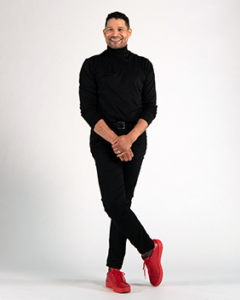
With what spare time I have, I spend my early mornings on my Peloton. I also enjoy cooking, traveling, writing, being outdoors and spending time with family. Also, I am an avid bath taker.
What is your favorite part of being an Artistic Director?
Every day is different, and I get to utilize my brain to solve and collaborate on small and large problems. I feel as though all areas of expertise are represented in my responsibilities as artistic director. It’s an absolute joy!
What makes you laugh?
People make me laugh. We are amazingly infinite in our possibilities. People bring me joy, and make me excited.
What is your proudest moment?
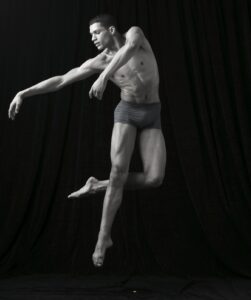
About 20 years ago, I had the honor and pleasure of being present during the birth of my nephew. I was with my sister and her husband, my parents and my brother-in-law’s mother. It was a proud, extraordinary experience that I will never forget.
If I weren’t a ballet dancer, I would be…
Either a doctor or data analyst
When did you know you wanted to pursue a professional career in ballet?
It had to be my first ballet class when I already knew how to tours enchaînement and saut de chat. I was hooked!
Who is your inspiration – in dance and in life?
My family, my husband, nature, people, words and poetry, ideas, food, places, exercise, practice, language, visual art and sculpture…
PBT Soloist Gabrielle Thurlow Shares Her Ballet Memories on the Eve of Her Retirement
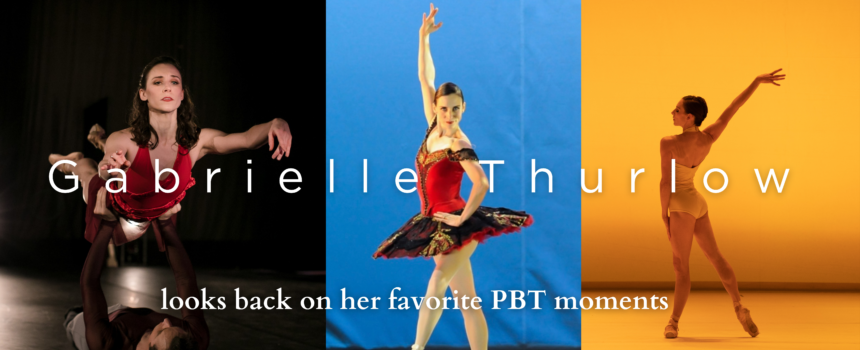
Pittsburgh Ballet Theatre Soloist, Gabrielle Thurlow, will retire on December 23, 2023 after being with PBT for more than 17 years. She has performed in numerous ballets over the years and took a few minutes to share her recollections about some of her favorite and most memorable ones. Her final performance will be on December 23 at the 2:00 show of The Nutcracker.
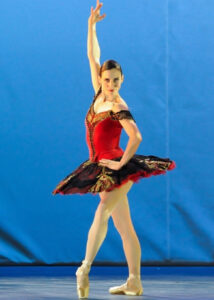 Ballet: Don Quixote by Marius Petipa
Role: Kitri
Year: 2014
“My most memorable performance was probably Kitri in Don Quixote. It was my first really big role, and one I had always wanted to perform. I had a blast on stage, and will always remember that thrill!”
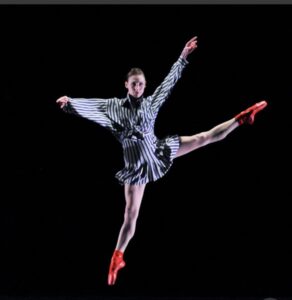 Ballet: In the Upper Room by Twyla Tharp
Role: Bomb Squad
Year: 2013
“I was a “Bomb Squad” dancer, and had to move incredibly fast and in sync with my other “bomber”. It was super challenging to make this happen, but was exhilarating! ”
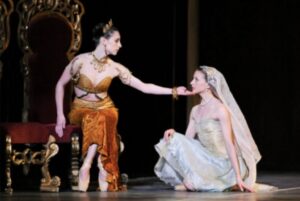 Ballet: La Bayadere by Marius Petipa
Role: Gamzatti
Year: 2015
“This one was very dramatic, and I got to experience a really intense and powerful scene that gave me chills. It was fun to have an acting challenge with this role, which was something new to work on for me.”
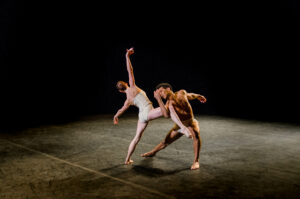 Ballet: Petite Mort by Jiri Kylian
Year: 2018
“The musicality is genius! It is such a beautiful ballet, and always makes me cry. I loved performing this one.”
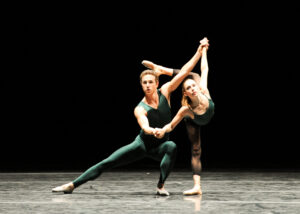 Ballet: In the Middle, Somewhat Elevated by William Forsythe
Year: 2015
“This one tested my boundaries, and I felt very accomplished by the end. I also got to perform with my husband, William Moore (who wasn’t yet my husband at the time), which was such an amazing experience.”
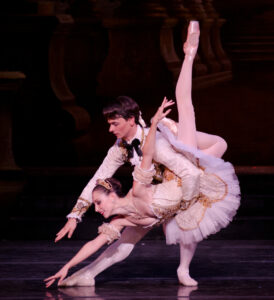 Ballet: The Sleeping Beauty by Marius Petipa
Role: Aurora
Year: 2014
“So much technique and control is required for this role, and I think I was the most nervous I have ever been for it! But it was an honor to perform, and quite rewarding.”
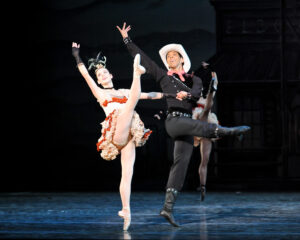 Ballet: Western Symphony by George Balanchine
Year: 2015
“I love the music for this one, and enjoyed the challenge of “the ballerina”. It was so much fun on stage!”
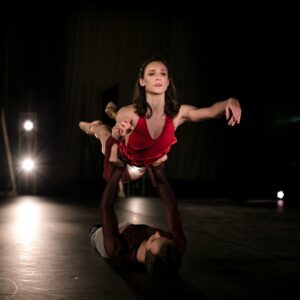 Ballet: Lascia La Spina by Sasha Janes
Year: 2021
“Another one I was lucky enough to perform with my husband. This one leaves me with special memories because it was something we shared together during Covid. We got to record it as well, which is definitely different than a live performance!”
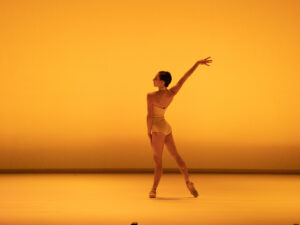
Ballet: Petal by Helen Pickett
Year: 2021
“This one was another that took me out of my comfort zone. I had to face my fears and improv on stage. It took some growing into, but by the end, I truly enjoyed it and learned a lot through it.”
Photos Courtesy of: Pittsburgh Ballet Theatre Rich Sofranko, Aimee DiAndrea and Rosalie O’Connor
Joseph Parr’s Favorite PBT Moments
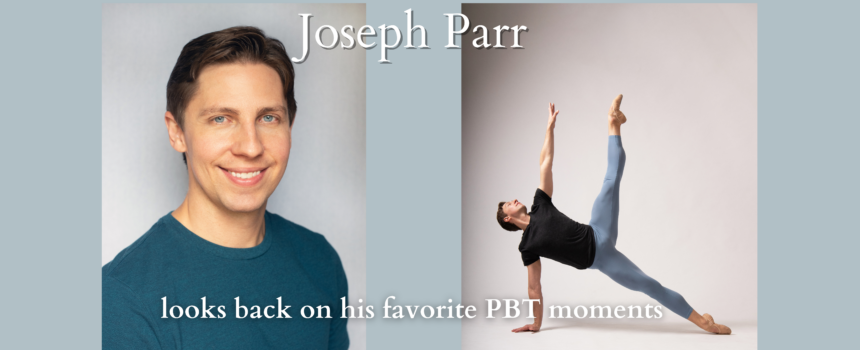
After more than 15 years in Pittsburgh Ballet Theatre’s Corps de Ballet, Joseph Parr will retire on December 28, 2023. He has performed in more than 50 works with PBT. After his retirement, he plans to finish his degree to become a physical therapy assistant. Below, he has reflected on some of his career highlights and favorite roles over the years.
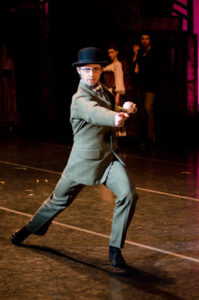 Ballet: Moulin Rouge: The Ballet by Jorden Morris
Role: Henri de Toulouse-Lautrec
Year: 2013
“This ballet was very fulfilling as there were several sections where I could explore the character in a variety of different ways. In one scene I was painting on stage, another I was consoling a friend, another I was hallucinating. I really enjoyed being lost in this character!”
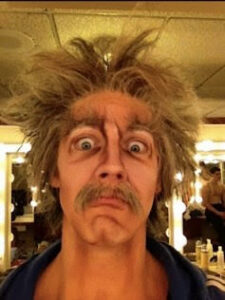 Ballet: Coppelia by Terrence S. Orr
Role: Dr. Coppelius
Year: 2012
“In this role, I worked closely with the late Stephen Hadala. He was so generous, supportive, encouraging and patient with helping me learn Dr. Coppelius. Since I shared the part with him, each day was like a master class in character acting. I looked up to him as the best actor I’ve ever worked with, as well as being one of the most special people I’ve had the pleasure of knowing.”
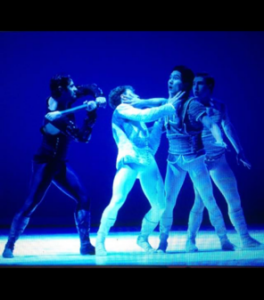 Ballet: Romeo and Juliette by Jean-Christophe Maillot and Romeo and Juliet by Derek Deane
Role: Benvolio
Years: 2009, 2017
“Benvolio was the first big role I got to do with PBT. Both versions were challenging physically and allowed me different ways to explore the acting side of ballet. I was honored to portray this character in both versions which were very different from each other and about ten years apart.”
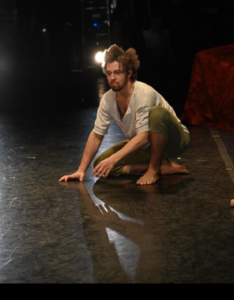
Ballet: Dracula by Ben Stevenson (twice) and Michael Pink
Role: Renfield
Years: 2011, 2017, 2023
“I have always enjoyed character roles and Stevenson’s version provided me with the opportunity to really go crazy with tricks and be a wild and crazy bug-eating man. Pink’s version was very different and required much more thought and sensitivity in preparing for the role. It was one of the few roles where I really put myself in a dark place in order to do the role justice.”
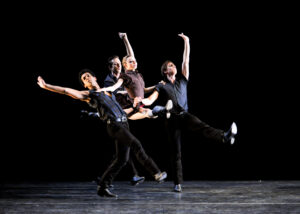 Ballet: Man in Black by James Kudelka
Year: 2016
”Every single rehearsal, run-through and performance were such a joy to be a part of. The four dancers in this piece needed to be extremely connected and we never left the stage from start to finish, a truly unique experience.”
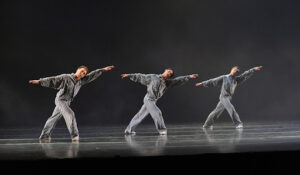 Ballet: In the Upper Room by Twyla Tharp
Years: 2010, 2013
“This was one of the most physically demanding works I’ve done, but also one of the most rewarding. One of my favorite things about this piece is it really brought everyone closer together. Because it took so much out of you, everyone was rooting for each other while we were all giving it everything we had!”
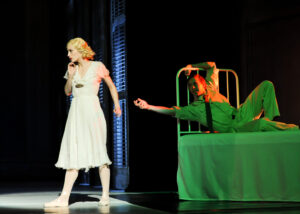 Ballet: A Streetcar Named Desire by John Neumeier
Role: The Singing Soldier
Year: 2012
“Streetcar was a unique experience. I began the ballet under a bed onstage, did a small bit of dancing and wheeled the bed over to the side of the stage where I stayed for the rest of the act. I periodically sang, whistled and talked for the rest of Act 1 – not a typical day at the office!”
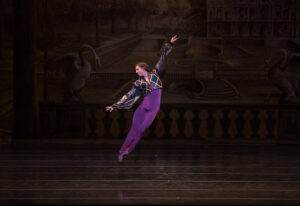 Ballet: Swan Lake by Terrence S. Orr
Role: Jester
Year: 2014
“The first Swan Lake I performed at PBT. I was in the school and I thought the Jester looked like so much fun to do. It had opportunities for great dancing as well as the freedom to be goofy. I was lucky enough to get to do this a few times and you better believe I took every opportunity to be a goof in this role. It was a blast!”
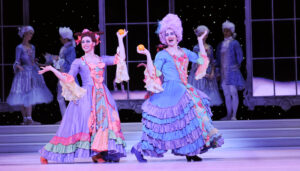
Ballet: Cinderella by Septime Webre
Role: Stepsister
Years: 2009, 2013
“This was a comedic role I got to perform first with Alejandro Diaz and the second time around with Stephen Hadala. Each rehearsal and show was filled with plenty of laughs and it was a privilege to embrace this role with those two people.”
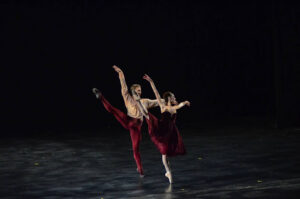 Ballet: In the Night by Jerome Robbins
Year: 2018
“When we were learning this I was 4th or 5th cast and not scheduled to do it, but my partner and I rehearsed it and knew it really well. An injury happened to Alexa Kochis’s partner and she requested me to step in for the show. It was a really beautiful pas de deux and she’s such a wonderful partner to dance with.”
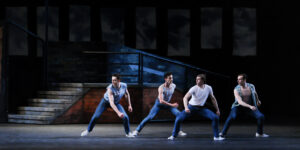
Ballet: West Side Story Suite by Jerome Robbins
Role: Riff
Year: 2018
“This was the second time I got to sing on stage and it required all dancers with singing roles to have voice lessons! I also have always wanted to die on stage and I was able to cross that off my bucket list with this one (although dying on stage is not as fun as I thought it would be, haha).”
Ballet: Light: The Holocaust/Humanity Project by Stephen Mills
Year: 2009
“This was a very emotional, dramatic and beautiful piece. I was honored to be a part of this process and will always remember this tribute to that terrible time in our history.”
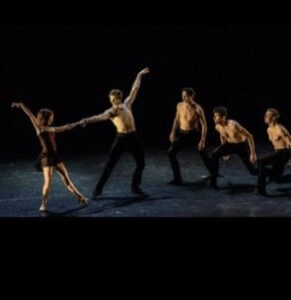 Ballet: Step Touch by Dwight Rhoden
Year: 2009
“I’ve done multiple parts of this ballet in many places, including Israel! One silly memory I have about this ballet is that I got pretty good at mimicking the opening song by singing a drawn-out “Well” that fooled a couple of my coworkers on multiple occasions that we were starting the ballet before the repetiteurs pressed play on the music.”
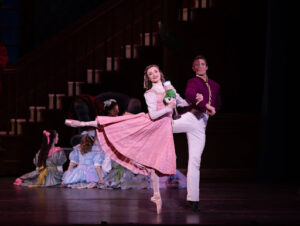 Ballet: The Nutcracker by Terrence S. Orr
Role: Nephew/The Nutcracker
Years: Multiple!
“This role was my dream ever since I first saw it as a grad student. I’m very proud that I’ve done nearly every role in Nutcracker and that I am able to retire as the Nephew with my wife Diana (Yohe). It was also an incredible experience to play this role when we filmed Fireside Nutcracker during Covid times.”
All photos courtesy of Pittsburgh Ballet Theatre, Rich Sofranko, Rosalie O’Connor, Aviana Adams, Anita Buzzy Prentiss and Aimee DiAndrea
Pittsburgh Celebrities Will Join PBT’s Pittsburgh-esque Version of The Nutcracker!
Ten local Pittsburgh celebrities will be special guest stars during Pittsburgh Ballet Theatre’s (PBT) performances of The Nutcracker this year. Each celebrity will make a guest appearance in a walk-on role during the opening prologue and in the entirety of the “Party Scene” during Act l of the classic holiday production.
PBT’s current version of The Nutcracker, choreographed and created by former PBT artistic director, Terrence S. Orr, is the perfect fit for local celebrity appearances due to its special Pittsburgh-centered vibe. The Nutcracker includes more than 13 Pittsburgh connections – from Kennywood, the Kaufmann’s Clock and Shadyside to the Pittsburgh Pirates, Pittsburgh Penguins, Mount Washington, the Aviary and more. The distinctive Pittsburgh feel of this ballet makes it great fun to include Pittsburgh guest stars in walk-on roles – adding to the Pittsburgh flair!
PBT will present the holiday classic at the Benedum Center December 8-28. Tickets are available here.
The Pittsburgh celebrities participating in cameos in The Nutcracker this year include:
*please note that guest star appearances may be subject to change
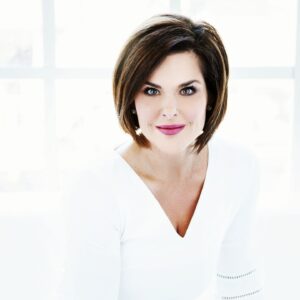 Friday, December 8th @ 7:00 p.m.
Kym Gable, KDKA-TV News Anchor
You can see Kym Gable on KDKA anchoring the 4:00 and 6:00 o’clock news each day. She also hosts a popular weekly segment called “On A Positive Note,” which highlights uplifting stories, inspiring people and unsung heroes in Pittsburgh. Her work in television and commercials has won her several Emmy Awards and Telly Awards. Kym is an accomplished
freelance producer, speaker, confidence coach and voice actress. As an advocate for those less fortunate and in crisis, Kym’s mission of community outreach is her driving force. She operates the South chapter of the non-profit support organization Inspired Women Paying It Forward, which has given local and national charities more than $600,000 since its inception. Real Estate Investor, Cryptocurrency Miner, Dancer, Singer and Martial Arts Enthusiast – Kym’s motto is “You Can’t Live an Extraordinary Life If You Keep Doing Ordinary Things.”
 Saturday, December 9 @ 7:00 p.m.
Frzy, Musician/Rapper
Harvey “Frzy” Daniels is a 2018 regional Emmy Award winner for his collaboration with WQED on his hip-hop version of “Won’t You Be My Neighbor” and on November 1, 2023, launched his second and third albums titled Popularity and Success. Frzy is a member of the Recording Academy (which bestows the annual Grammy Awards) and is a Governor of the Board for the Philadelphia Chapter of the Recording Academy. The City of Pittsburgh was inspired to officially declare January 11, 2018, as “Frzy Day.” Since then, Frzy has become a 2020 Guinness World Record holder for longest freestyle rap at 31 hours, inspired his own Smiley Face Cookie at Eat ‘N Park and has had a mural created in his likeness by famous muralist, Jeremy Raymer. Frzy also serves on the Board of Directors of The Lindsay Theater all this while being the face of Steve Madden’s “Self Made” Campaign. He has helped to raise more than $ 1 million for charities, and this year helped to increase diversity and inclusion awareness via the successful “Books to Bars” campaign with the Carnegie Library of Pittsburgh. He collaborated on a historic one-night concert with the Pittsburgh Symphony Orchestra at Heinz Hall on November 8, 2023, which was the world premiere of an orchestration of the nationally-known rapper’s new album, Success. Instagram @frzy, TikTok @therapperfrzy, and Facebook OfficialFrzy.
 Sun., December 10 at 4:30 p.m.
Gisele Barreto Fetterman, Advocate & Former Second Lady of PA
Gisele Barreto Fetterman is an access and equity advocate, a hugger and the former Second Lady of Pennsylvania. Gisele is the founder of Freestore 15104, where surplus and donated goods are received and redistributed to neighbors in need. Freestore 15104 aims to eradicate food and clothing insecurity and has inspired 13 spin-off locations and the birth of 412 Food Rescue. Gisele is the co-founder of 412 Food Rescue, a community-wide effort to end hunger and reduce food waste, and has rescued tens of millions of pounds of food. She is also the co-founder of For Good PGH, a non-profit that works to advocate inclusion and inspire kindness. Its first initiative, Hello Hijab, has received both national and international praise. She is also a firefighter with Rivers Edge 113. Gisele was born in Brazil, and emigrated as a child to the US, living as an undocumented immigrant for over a decade.
 Fri., December 15 at 7:00 p.m.
Daisy Jade, Pittsburgh Today Live Reporter
Pittsburgh native Daisy Jade is a Film/TV Actress, TV Host and Producer. She is the Host and Co-Producer of Fan N’ATion, an award-winning and Emmy-nominated show on KDKA-TV/CBS Pittsburgh, highlighting Pittsburgh sports fans from all over the world. Daisy also reports for the city’s lifestyle and entertainment show, Pittsburgh Today Live. Additionally, Daisy is the on-air talent for Pittsburgh’s CW (WPCW-TV), representing the station at live events and producing content for their website and social media accounts. She hosts and produces the web show The CW Buzz. Fan N’ation won a Keystone Media Award for Best Regularly Scheduled News or Sports Talk Program in 2022, and has been nominated for a Mid-Atlantic Emmy.
She is a proud member of SAG-AFTRA, appearing in numerous national and regional shows, commercials and industrials since 1999. She is also involved with various film organizations in Pittsburgh, including Women in Film and Media Pittsburgh and the Pittsburgh Film Industry Association (PAFIA). Daisy graduated from the University of Pittsburgh with a Bachelor of Arts degree in Theater Arts and a Film Studies Certificate.
 Sat., December 16 at 2:00 p.m.
Lindsay Ward, KDKA-TV News Anchor
Lindsay Ward is the Morning Anchor at KDKA-TV. She joined the station in 2019. Lindsay also does feature reporting for which she has won a first-place Keystone Media Award and has been Emmy-nominated for both her anchoring and reporting.
Lindsay is from Indiana County and an IUP graduate where she studied Communications Media and Political Science. She lives in the Pittsburgh area with her husband, Tony, and their two children, Sebastian and Aurora.
 Sat., December 16 at 7:00 p.m.
Boaz Frankel, KDKA-TV & Yinzer Backstage Series
Boaz Frankel is a writer, filmmaker and gardener based in Pittsburgh, PA. He’s the host and producer of NEXTpittsburgh’s “Yinzer Backstage Pass” series and a correspondent on KDKA’s Pittsburgh Today Live. He lives in Squirrel Hill with his wife Brooke and their very cute terrier mutt, Kip.
 Sun., December 17 at Noon p.m.
Kristine Sorensen, KDKA-TV News Anchor
Kristine Sorensen just celebrated 20 years with KDKA-TV and currently anchors KDKA-TV News at 4 and 5 pm. She also produces special reports in partnership with Kidsburgh.org on positive things in the community for kids and families, and she also hosted Pittsburgh Today Live for 11 years.
Kristine has a Master’s Degree in Journalism from Northwestern University and a Bachelor’s Degree in Government with a minor in dance from the College of William and Mary. She has won numerous awards including a Mid-Atlantic Emmy Award for Features Reporting, an Edward R. Murrow journalism award and the Paramount Impact Award for her volunteer work.
Kristine studied dance since she was a child and performed with dance companies for 10 years. She served on Pittsburgh Ballet Theatre’s Board of Directors for ten years and was the dance critic for the Pittsburgh Post-Gazette. She also volunteers her time with the March of Dimes, the Pancreatic Cancer Action Network and Variety the Children’s Charity.
Kristine is married to KDKA Radio host Marty Griffin. They have two daughters, Sophia and Chloe, and a son, Vincent.
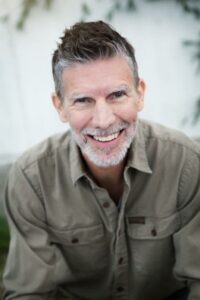 Thurs., December 21 at 7:00 p.m.
Scott Blasey, the Clarks
Scott Blasey is the lead singer, songwriter and guitarist for Pittsburgh-based rock band the Clarks. Over their 34-year career the Clarks have performed all over the country, sold more than a million albums and toured with Steely Dan and John Mayer. They performed live on the Late Show with David Letterman, the 2009 NHL Winter Classic and the Jerry Lewis MDA Labor Day Telethon. Their music has been featured in movies and television shows, including the 2015 season premiere of The Simpsons.
In addition to his success with the band, Scott has found an audience as a solo artist. He’s released three albums and has opened shows for rock icons Neil Young and the Beach Boys. In 2004 Scott received the Distinguished Alumni Award for Service from Indiana University of Pennsylvania, and in 2020 he was inducted into the Connellsville Area High School Hall of Fame. Scott continues to perform with the Clarks, and his “Songs and Stories” shows draw rave reviews and keep him busy as a solo performer.
 Fri., December 22 at 7:00 p.m.
Ron Smiley, KDKA-TV Meteorologist
Ron is the meteorologist and contributor on Pittsburgh Today Live on weekday mornings. Since June 2015, Ron has been giving a local and hopefully bright outlook on the day in Pittsburgh and Western Pennsylvania.
Born a Texan, Ron grew up in Little Rock, Arkansas, after his dad retired from the Air Force. After graduating from Little Rock Catholic High, Ron pursued his degree at Arkansas Tech University. He has two daughters.
Before arriving in Pittsburgh, Ron worked in Mississippi and Arkansas, along with most recently, New Orleans and Indianapolis. He says that his love for the weather developed at a young age as he loved to hang out in the garden and talk clouds with his neighbor, Mr. Mike, an employee at the National Weather Service. Ron is a member of the American Meteorological Society and has been rewarded his AMS seal.
In Ron’s free time, he loves to cook and explore with his family. You may catch him out and about on a Saturday morning running for a good cause or hanging with his family at a local park or museum.
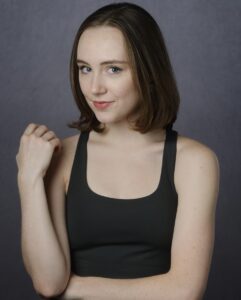 Sat., December 23 at 7:00 p.m.
Kyra Laubacher, Dance Media, Digital Editor
A proud Pittsburgh native, Kyra is the digital editor for Dance Magazine, Pointe and The Dance Edit with Dance Media Publications. She is a member of Phi Beta Kappa and graduated summa cum laude from Butler University in 2020 with a BFA in Dance Performance and a BA in English Literature. Following graduation, she danced with Eugene Ballet in Eugene, Oregon, and served as a contributing writer for Pointe prior to joining the magazine’s editorial staff in May 2022.
The Nutcracker Casting is Here!
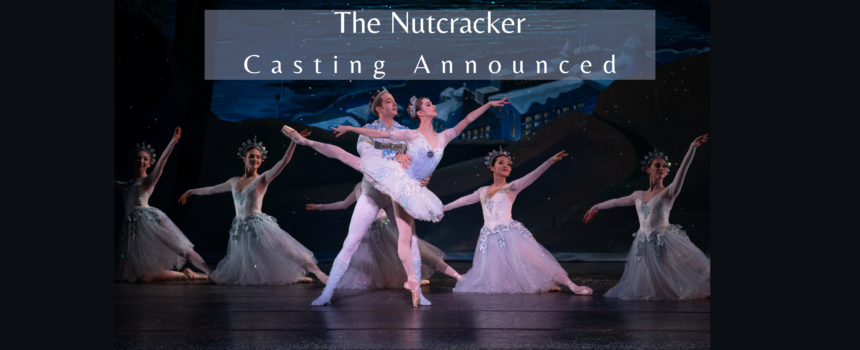
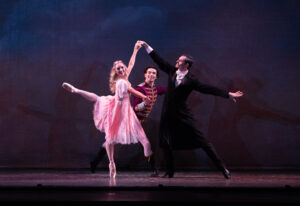
The most magical time of the year is coming soon with PBT’s The Nutcracker! Performances will take place Dec. 8-28 at the Benedum Center in Pittsburgh. Join Marie, her Nutcracker prince and hundreds of colorful characters for an unforgettable adventure through the Land of Enchantment. Create a new tradition with your family and friends while enjoying the stunning scenes, spectacular costumes, sparkling snowflakes and instantly recognizable Tchaikovsky score. All of the roles are performed by the talented artists of Pittsburgh Ballet Theatre and Pittsburgh Ballet Theatre School.
View Casting by Week
*Please note: Casting is subject to change
Banner Image: Jessica McCann & Lucius Kirst | Photo: Rosalie O’Connor
Putting Pittsburgh in The Nutcracker
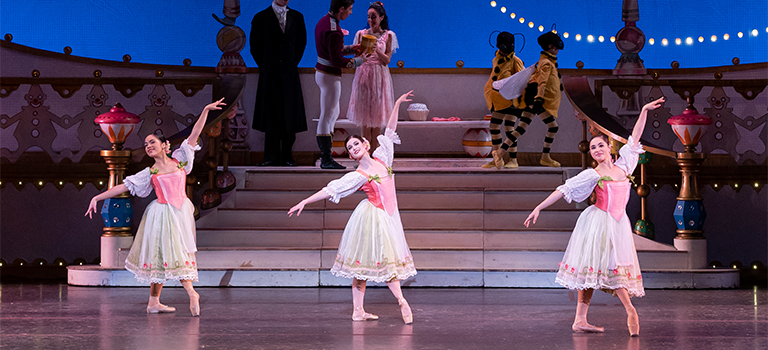
The Nutcracker has enchanted audiences for over 130 years, telling the story of young Marie (renamed to match the original story) and her journey to a mystical land with her heroic nutcracker. There are hundreds of different versions of The Nutcracker performed all around the world. How does Pittsburgh Ballet Theatre set its Nutcracker apart?
Pittsburgh Ballet Theatre makes its current version of the beloved classic uniquely Pittsburgh-connected by including more than 13 different “easter eggs” that only a true “yinzer” might catch. In 2002, former artistic director Terrence S. Orr conceived and choreographed this Pittsburgh-themed version of The Nutcracker and the company has performed this version each year since. Have you noticed any of these “easter eggs” before while watching PBT’s The Nutcracker?
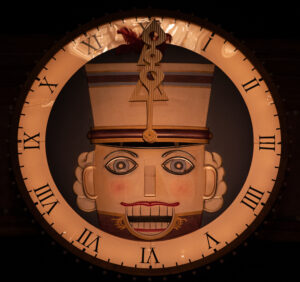
1. Kaufmann’s Clock
Founded in the 1870s in downtown Pittsburgh, Kaufmann’s department store eventually expanded to nearly 60 locations across multiple states until it was bought by Macy’s. Today the original flagship building is left standing along with the iconic Kaufmann’s Clock, both deemed Historical Landmarks. Installed in 1913, the giant ornate timepiece has been known to be a meeting place for Pittsburghers for over 100 years. Spot PBT’s homage clock hanging above the proscenium arch.
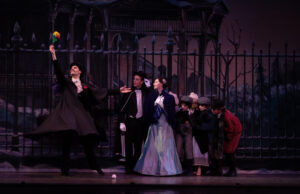
2. F.W. McKee Mansion
Marie Stahlbaum’s family home, where the opening party scene takes place, is a mansion modeled after the old F.W. McKee Mansion. On Fifth Avenue in Shadyside, this stately home was owned by the prominent McKee family, known for glass-manufacturing. The manor has since been torn down, but its memory lives on in PBT’s The Nutcracker.
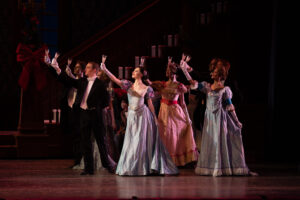
3. The Kaufmann, Grandview, and Heinz party guests
Aside from the hosting Stahlbaum family, PBT has invited three other families of note to the party, The Kaufmanns (owners of Kaufmann’s Department Store), The Grandviews (named for the avenue on Mt. Washington), and the Heinzes (founders of the H. J. Heinz Company). All three names hold a special place in Pittsburgh’s history.
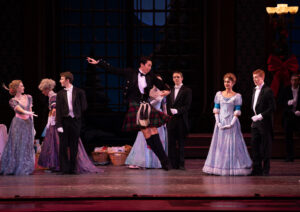
4. Mr. McTavish and the Carnegie family plaid
Another important guest is Mr. McTavish, representing the famous Scottish Pittsburgher, Andrew Carnegie. In his appearance in the party scene, Mr. McTavish wears a kilt of the official Carnegie family plaid, a pattern PBT received express permission from the Carnegie family to use.
5. H. J. Heinz Company Logo
Not only is the Heinz family represented by party guests, but the H. J. Heinz Company Logo can be spotted on Drosselmeyer’s wagon in the opening scene
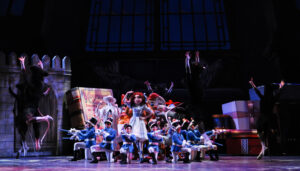
6. Kaufmann’s Christmas Stories for Boys and Girls
Published in 1904, Kaufmann’s storybook served as part of Orr’s inspiration for the Pittsburgh Nutcracker, offering a window into a turn-of-the-century Pittsburgh Christmas. The storybook grows to giant proportions during the battle scene and produces a number of story-book characters to help Marie and the Nutcracker on their journey.
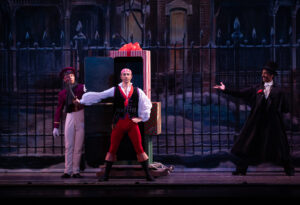
7. Pirate and Penguin Dolls
Two of the dolls that come to life include a penguin carrying a hockey stick and a pirate. These dolls pay homage to the Pittsburgh Pirates and the Pittsburgh Penguins, the city’s baseball and hockey teams.
8. Terrible Towels
In addition to the pirate and penguin, the PBT rats pull out Terrible Towels (a popular local symbol of support for the Steelers) on days that both the show is performing and the Pittsburgh Steelers are playing.
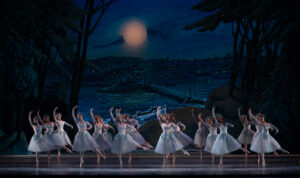
9. Mount Washington Snow Scene
The famous snow scene is set atop Mt. Washington, looking down upon the Point and Pittsburgh’s three rivers. The image is set circa 1906, at about the time PBTs The Nutcracker takes place, offering a beautiful, vintage take on the scene.
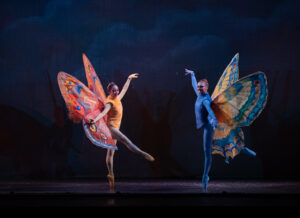
10. Birds and Butterflies
One of Pittsburgh’s treasures is the National Aviary. Once Marie and the Nutcracker arrive in the Land of Enchantment, some of the characters that greet them include birds and butterflies to represent the National Aviary.
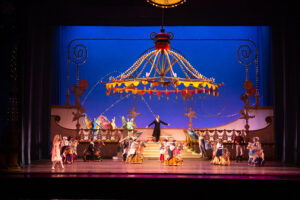
11. Land of Enchantment Amusement Park
The Land of Enchantment is a feast for the eyes, full of bright colors and exciting characters. The set design includes a carousel canopy and figures along with a roller coaster design on the backdrop. These elements pay homage to Pittsburgh amusement parks including Kennywood and turn-of-the-century amusement park, Luna Park.
Not only can you spot these fun references, but this year keep your eyes peeled for some local celebrities on-stage:
| Kym Gable (KDKA-TV Anchor) | Friday, Dec. 8 @ 7:00pm |
| FRYZ (Rap artist) | Friday, Dec. 9 @ 7:00pm |
| Giselle Fetterman (Former second Lady of PA) | Sunday, Dec. 10 @ 4:30pm |
| Daisy Jade (KDKA-TV/Pittsburgh Today Livereporter) | Friday, December 15 @ 7:00 p.m. |
| Lindsay Wade (KDKA-TV Anchor) | Saturday, Dec. 16 @ 2:00pm |
| Boaz Frankel (KDKA and NEXTPittsburgh reporter) | Saturday, Dec. 16 @ 7:00pm |
| Kristine Sorensen (Anchor on KDKA-TV) | Sunday, Dec. 17 @ 12:00pm |
| Scott Blasey (Lead Singer of The Clarks) | Thursday, Dec. 21 @ 7:00pm |
| Kyra Laubacher (Journalist at Pointe Magazine) | Saturday, Dec. 23 @ 7:00pm |
PBT is extremely proud to be part of the Pittsburgh community and to showcase its rich history. With performances throughout the entire month of December, there’s no better way to celebrate the holiday season than with family at PBT’s uniquely Pittsburgh rendition of The Nutcracker! Purchase tickets here!
Violins of Hope
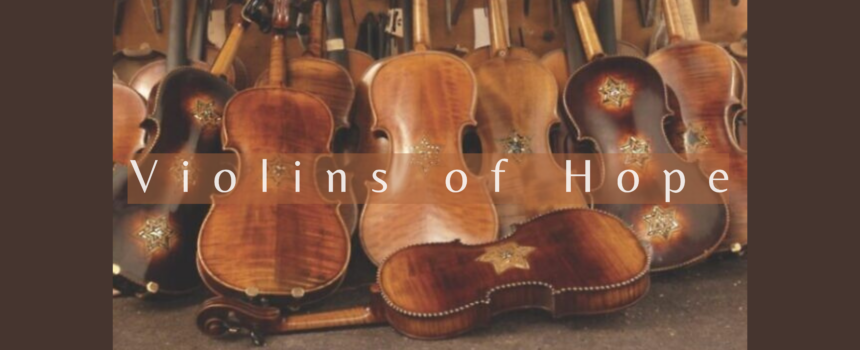
October 27-29, Pittsburgh Ballet Theatre (PBT) will present Sounds of the Sun as part of its seasoner opener in conjunction with Violins of Hope Greater Pittsburgh. Sounds of the Sun is a world-premiere ballet choreographed by Jennifer Archibald. It is inspired by the true life story of Florence Waren, a Jewish dancer and French Resistance fighter during World War ll. During the performance, a violin from the Pittsburgh Violins of Hope exhibit will be played onstage.
The Violins of Hope is a collection of 102 violins, violas and cellos that were owned and played by Jewish musicians both before and during World War ll. Israeli violin maker Amnon Weinstein began the project to collect and restore these instruments and tell their stories. Each instrument conveys the inspiring story of its owner, the pain they endured, the atrocities they faced, the scars of the survivors and the memories of those who did not survive the Holocaust.
The collection strives to educate about the Holocaust and memorialize the original owners through concerts, exhibits and community education events. This unique, free exhibit can be viewed at the Posner Center on Carnegie Mellon University’s campus from October 7-November 21, 2023.
Some of the examples of violins in the poignant collection include:
Joyce Vanderveen Violin
This violin will be played onstage during Jennifer Archibald’s Sounds of the Sun premiere.
The violin belonged to Joyce Vanderveen, a talented and well-known young dancer and musician from Amsterdam, who was just 13 years old when World War II broke out across Europe. Joyce survived with her family and her cherished violin. After the war she became a renowned ballerina and later, a Hollywood actress. It was then that she placed her beloved violin beneath her bed, never to touch it for the ensuing 25 years leading to her death. She also never spoke about the violin of the Holocaust with her son. Her violin found its way back into the spotlight when her son discovered the Violins of Hope project. A symbol of resilience and survival, the violin continues to inspire as it is played once again. Joyce’s legacy lives on through this instrument, a testament to the enduring power of art and music.
An interesting side note is that Joyce’s picture, probably a publicity photo clipped from a magazine, was discovered hanging on a wall in Anne Frank’s bedroom. Anne died at the Bergen-Belsen concentration camp in 1945. The photo remains on the wall at the Anne Frank House, now a museum.
Hecht Violin
This violin belonged to the Jewish family Alex and Fanny Hecht and their sons Fritz and Ernest. The Hechts lived in Germany but emigrated to Amsterdam soon after the war began. After the Nazis invaded Amsterdam, Fanny gave the violin to her neighbor Helena Visser for safekeeping, as she did not want the Nazis to have her prized possession. The entire Hecht family was arrested and sent to different concentration and labor camps. None of them survived. The Visser family kept the violin safe for 74 years until they turned it over to Violins of Hope so that it could be played in the Hecht’s memory.
Lyon Violin
In 1942, thousands of Jews were arrested in Paris and sent to Auschwitz and other concentration camps. On one of the trains was a man holding a violin. When the train stopped in rural France, he cried out, “In the place where I now go – I don’t need a violin. Here, take my violin so it may live!” He then threw the violin out of a train window and a French worker picked it up and saved it. Years later, his children found the violin in his attic and took it to a French violin maker, with whom they shared the story of it. The violin maker knew of Violins of Hope and donated the instrument to the collection.
Henry Brender Violin
Henry Brender was a prodigal violin player who grew up in Romania and studied music in world-famous academies in Vienna and Budapest before World War ll. He was sent to a hard labor camp during the war but escaped along with his violin. He survived the war and became a soloist with the Bucharest Philharmonic. He was later detained and imprisoned for six months by the communist Romanian government. In 1960, he immigrated to Israel and joined the Israel Philharmonic Orchestra, where he played until his retirement in 1985.
Dachau Violin
This violin belonged to Abram Merczynski. In August 1944, 21-year-old Abram and his two brothers, Isak and Zysman were deported from Poland, to Auschwitz and then to Dachau concentration camp. Abram played his violin wherever he was, even in the labor camps. Abram and his brothers survived, as did his violin. Before they emigrated to the United States in 1955, the three brothers rented a room with a German family in Munich. Abram bought himself a new violin and gave his old instrument to the family’s young son. Abram lived to be 88 and his daughter, Eleanor, said he never stopped playing the violin. Abram’s original violin now continues to tell the story of survival, music and friendship.
A Forever Dance Partner
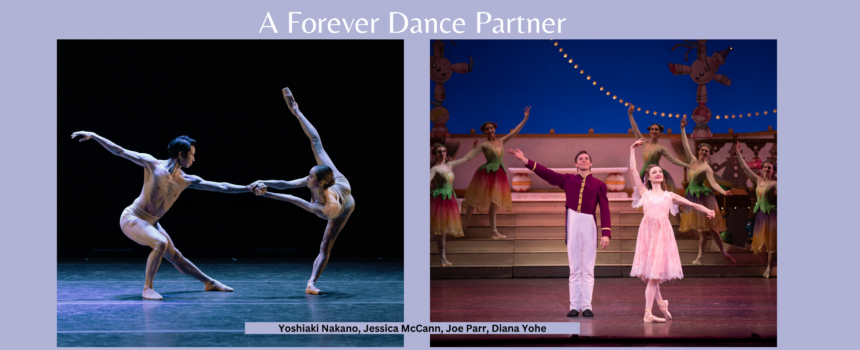
Two real-life Pittsburgh Ballet Theatre couples will be performing Pas des deux at the Light in the Dark program that will open the 2023-24 Season on October 27-29.
Principal artist Yoshiaki (Yoshi) Nakano and Soloist Jessica McCann will perform Lacrimosa on Saturday, October 28th at 7:00 p.m. Lacrimosa, by Annabelle Lopez Ochoa, Yoshi and Jessica have been married for four years, after meeting at PBT. Inspired by Baroque religious iconography, Lacrimosa is a moving work filled with daring lifts and expressive dancing. Lacrimosa also marks Jessica’s return to the stage for the first time in 10 months after she had hip replacement surgery in April.
Diana Yohe, a PBT Soloist and her husband Joseph (Joe) Parr, a member of the Corps de Ballet, will be performing Loss on Sunday, October 29 at 2:00 p.m. Diana and Joe also met while dancing at PBT and have been married since 2018. Loss, by Sasha Janes, tells the story of a couple’s loss of their child. The choreography, set to Samuel Barber’s Adagio for Strings, is a heart-wrenching and emotional duet through which the couple expresses their grief.
Both couples provide insight into what it is like to dance in these emotional works, as well as the pros and cons of dancing with their spouses.
Lacrimosa – Jessica McCann and Yoshi Nakano
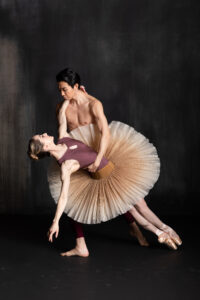
What is it like performing Lacrimosa together as a real-life couple?
Yoshi: It’s really fun and exciting! Having the same stage experience together, I will always remember the feeling of togetherness dancing with Jess. We have performed this duet during the pandemic, so I didn’t feel like my body was in shape, but this time I feel fully back and ready to perform!
Jess: Having performed this beautiful duet before in 2021 together, I’ll never forget how easy it was to trust him. It’s an incredibly hard duet in the sense that my role is almost blind the entire time, and we are falling into our partner’s arms and jumping trusting they are ready! Dark lighting, our hair is down, and we are giving it everything. It could be very scary but with him, I feel safe and can trust him with my life.
What are the benefits and challenges of dancing with your spouse?
Yoshi:
Benefit: I can always expect what she needs from me because we know each other so well.
Challenges: Trying not to be personal about how to fix some issues in this piece.
Jess:
Benefit: That connection is real, and it’s an absolute joy of mine to perform with my love and share our passion for art together.
Challenges: Sometimes when you are too comfortable with each other you can be more critical. As a married couple, we both try to actively listen to each other’s thoughts and feedback while working in the studio together. We’ve been lucky enough to dance together for several years now so each time we get better and better at it.
What is your favorite part of Lacrimosa?
Yoshi: The very beginning as soon as I touch her, she starts breathing. It’s like she comes back to life. The moment of the stage is incredibly beautiful with the lighting and music.
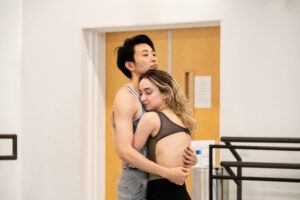
Jess: The ending! When I get more and more limp in the choreography, to the point of death, he has me in his arms in a tight embrace as he slowly lowers me to the floor. At that point, I’m sweating, breathing heavily and my hair is in my eyes as my face finds the floor. It’s a sad moment but a satisfying ending to this beautiful duet.
What is the most challenging part?
Yoshi: To make everything look smooth and effortless.
Jess: Not falling, and making everything look effortless while conveying the story.
Jessica – how does it feel to be back onstage only 6 months after your hip replacement surgery?
I didn’t think I would feel ready at this point I’ll be honest. But I’ve been working tirelessly, and patiently for my return to the stage. It’s an incredible gift that I will hold close and never forget. I don’t feel nervous, I feel like I’m returning home from a long journey where I saw and learned so much, and grew exponentially as a human. And to return with my husband who has supported me through all of my hardest moments is like the cherry on top of this whole experience.
Returning with such a dramatic duet like Lacrimosa will be my love letter to the stage, to the audience, and to my recovery journey thus far.
Loss – Diana Yohe and Joe Parr
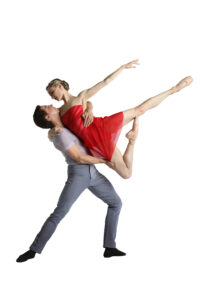
What is it like performing Loss together as a real couple?
We both feel it helps us be more honest in our performance. We’ve experienced loss and have
grieved together, so it is not hard to put ourselves in that frame of mind.
How do you prepare for the performance?
Each time before we run the piece we usually give each other a hug to center and ground ourselves. Sasha Janes (the choreographer) also encouraged us to always take a moment alone to get into the mindset that we just experienced a devastating loss in our lives. We both thought of the opening running that we do in the pas de deux as preparation as well.
Joe: I imagine that I’ve been running for a long time to find Diana. Once I do catch her I feel the desperate need to talk to her but I have no oxygen or words to speak. Almost the feeling of gasping for air after you’ve swallowed water down the wrong pipe.
Diana: I think of the moments in my life when I’ve learned something horrible and all I want to do is run away and pretend it doesn’t exist. It kind of feels like an out-of-body experience until I run into Joe and I come rushing back to reality.
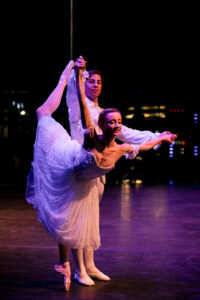
Do the emotions from the piece ever carry over into our lives?
Joe: I feel I can generally separate the work from carrying over into life.
Diana: Sometimes I think because I’ve opened the door for those emotions to carry through, that it doesn’t quite shut all the way. I think more often of the people in my life that I’ve lost for sure and I feel this piece both helps me to process that grief but also keeps it more alive at the same time.
What are the benefits and challenges of dancing with your spouse?
We find it’s possible to ask more of each other, which is both a benefit and a challenge! There is also no shying away from the emotions of the piece and the love we have for each other.
What is your favorite part of the piece?
We love just being lost in the movement together. Even though it is an intense and technically challenging piece, there is a special connection and closeness we feel each time we run it.
What is the most challenging part?
The most challenging was to remain as human as possible in our acting and not add the ballet dancer in us to the steps. Also, physically it definitely took time to have the stamina to run the pas de deux in its entirety. The choreography requires that you are constantly resolving the movement. It’s important to trust the difficulty in the steps and in a way, use that difficulty to get the message of the piece across.
Light in the Dark Casting
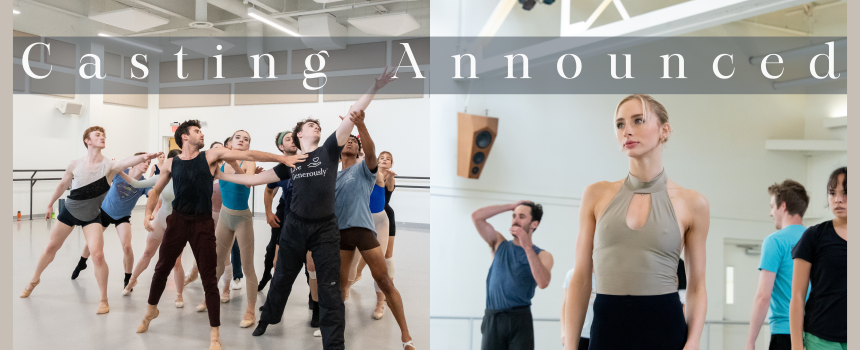
Pittsburgh Ballet Theatre has announced casting for the 2023-24 season opener, Light in the Dark. The mixed repertoire program features four poignant contemporary works that showcase powerful stories and passionate dance. The program includes Jennifer Archibald’s world premiere Sounds of the Sun, Barak Marshall’s company premiere Monger, Loss by Sasha Janes and Annabelle Lopez Ochoa’s Lacromosa. These emotional ballets tell compelling stories of tragedy, hope and human connection. The program runs October 27 – 29 at the Byham Theater.
Images from Jennifer Archibald’s Sounds of the Sun studio rehearsal.